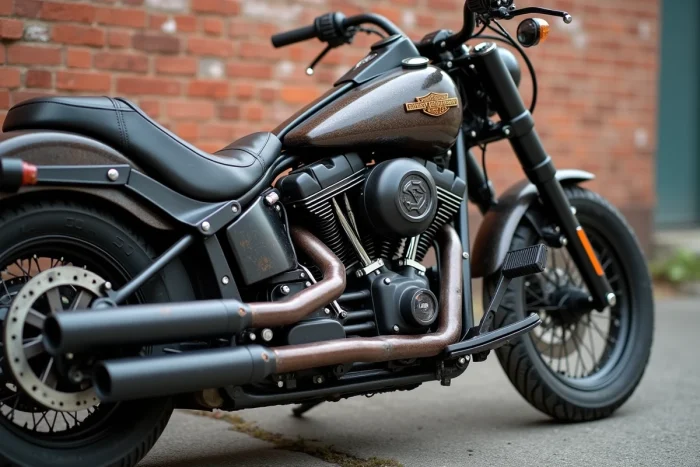
The Twin Cam 103, a 1,690 cm³ air-cooled V-twin engine, has equipped a large part of the Harley-Davidson range since 2012. Its generous low-end torque and distinctive sound have earned it a loyal user base. Field reports on its longevity are numerous, but they vary depending on the type of use, maintenance follow-up, and any modifications made to the engine.
Overheating and Valve Wear: What Recent Data Reveals
The air cooling of the Twin Cam 103 works properly at cruising speed, when the airflow ensures sufficient heat dissipation. In urban use, with prolonged stops and low average speeds, the engine temperature rises faster than the system can regulate it.
This thermal constraint has direct consequences on the valves. An NHTSA investigation dated March 15, 2026 (Campaign 26V-152) documents an increase in complaints related to premature valve wear on Twin Cam 103 engines, with cases reported on more than 5,000 units. The phenomenon primarily affects engines subjected to repeated thermal cycles, typical of city driving.
For those who wish to delve deeper into the reliability of the Harley 103 engine, this point of vigilance regarding the valves deserves special attention before any used purchase.
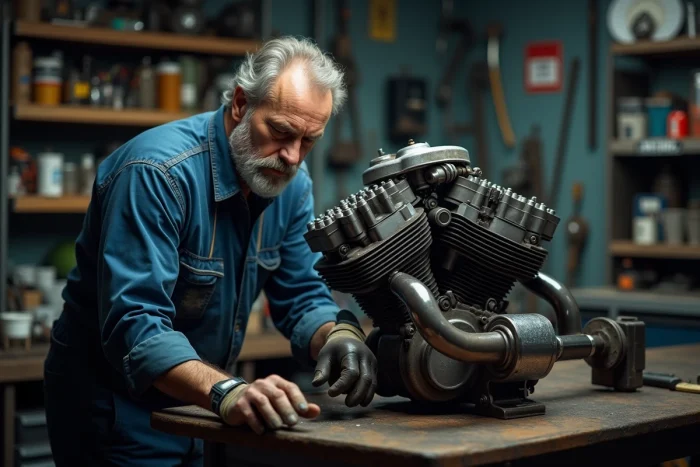
Stage 2 Modifications in Urban Use: An Under-Documented Scenario
Specialized forums almost systematically discuss Stage 2 kits (open exhaust, high-performance air filter, ECU re-mapping) from the perspective of open road or highway use. The gains in power and torque at high RPMs are well documented there. In the city, the reality is different.
What Stage 2 Changes in Traffic Jams
An open exhaust reduces back pressure. On the highway, this facilitates gas evacuation and improves efficiency. In slow urban traffic, the reduction in back pressure alters the thermal behavior of the engine. Combustion produces higher cylinder head temperatures when the cooling airflow is nearly zero.
The ECU re-mapping, if calibrated for full load, can enrich the air-fuel mixture at RPMs that urban use never demands. The engine then runs with a setting unsuitable for its actual RPM. Field reports vary on this point: some tuners specifically adjust the mapping for urban users, while others apply a generic performance-oriented mapping.
- An open exhaust without appropriate re-mapping increases operating temperature in the city and accelerates the wear of head gaskets.
- A high-performance air filter allows more fine particles to enter in polluted urban environments, which puts more strain on the lubrication system.
- A mapping calibrated exclusively for full load results in a mixture that is too rich at low RPMs, leading to gradual fouling of spark plugs and valves.
Stage 2 is not incompatible with urban use, but it requires specific calibration that few owners explicitly request from their tuner.
Twin Cam 103 vs. Milwaukee-Eight 103: Reliability on Long Journeys
The Milwaukee-Eight 103 (M8), a more recent architecture, benefits from four valves per cylinder and optimized cooling of the cylinder heads. According to independent tests published by Motorcycle Consumer News in March 2026, the M8 103 shows increased endurance with less overheating in extreme conditions compared to the Twin Cam.
This difference is explained by the very design of the oil circuit and thermal management. The Twin Cam relies entirely on air cooling, whereas some versions of the M8 incorporate partial liquid cooling of the cylinder heads. On a highway journey of several hundred kilometers in high heat, the Twin Cam 103 maintains higher operating temperatures.
For a used buyer who is hesitating between the two architectures, the choice depends on the usage profile. A well-maintained Twin Cam 103 remains a durable engine for classic touring. However, for mixed use that includes long urban stretches, the Milwaukee-Eight offers superior thermal margin.

Euro 6d Standard and Remanufactured 103 Engines: The European Regulatory Constraint
Since January 2026, the European directive 2025/1234 imposes mandatory catalytic upgrades for the resale of remanufactured 103 engines on the European market. This obligation targets refurbished engines intended to be reinstalled on vehicles operating within the EU.
Non-compliance with this standard exposes the seller to penalties, but it also has a direct technical impact. Adding a catalyst to an exhaust that was not designed for it generates additional back pressure and an increase in temperature at the collector outlet. On a Twin Cam 103 already sensitive to overheating, this regulatory constraint can exacerbate thermal issues if the integration is not carried out with an appropriate engine mapping.
The available data does not yet allow for measuring the long-term impact of these catalytic modifications on the longevity of the engine. Initial feedback should emerge in the coming months as compliant remanufactured engines accumulate mileage.
Maintenance of the Twin Cam 103: Key Points That Make a Difference
The durability of the Harley 103 engine relies on a few maintenance actions that, if neglected, can turn a robust engine into a source of costly problems.
- Regular engine oil changes compensate for the lack of liquid cooling. Oil plays a major thermal role in this type of engine.
- Checking the chain tensioner avoids excessive play that causes knocking noises and, ultimately, damage to the cams.
- Inspecting the head gaskets after each season of intensive urban riding allows for detecting micro-leaks before they degrade performance.
- Replacing spark plugs according to manufacturer recommendations ensures clean combustion, especially on engines equipped with Stage 2.
The Twin Cam 103 remains an engine capable of covering high mileages when its maintenance keeps pace with its actual usage, not just the intervals set for standard road use. An urban owner has every interest in shortening their oil change intervals and monitoring their operating temperatures more closely than a highway tourist.