Size 7XL corresponds, according to French brands, to a size 68/70 in French equivalence. This reference masks a more complex reality: measurements vary from one manufacturer to another, from one continent to another, and especially from one body type to another. An identical chest measurement on paper can result in a garment that is too loose at the shoulders or too tight at the waist depending on the silhouette of the person wearing it.
Existing guides focus on numerical correspondences and classic measuring advice. They overlook a concrete problem: size 7XL does not fit a round body and a muscular broad-shouldered body in the same way. This discrepancy generates product returns and frustration, particularly in sectors where clothing must also provide protection.
Size 7XL and athletic build: a blind spot in size guides
Most size charts start from a simple principle: the larger the size, the more the chest, waist, and hip measurements increase proportionally. This pattern suits silhouettes where the volumes increase uniformly.
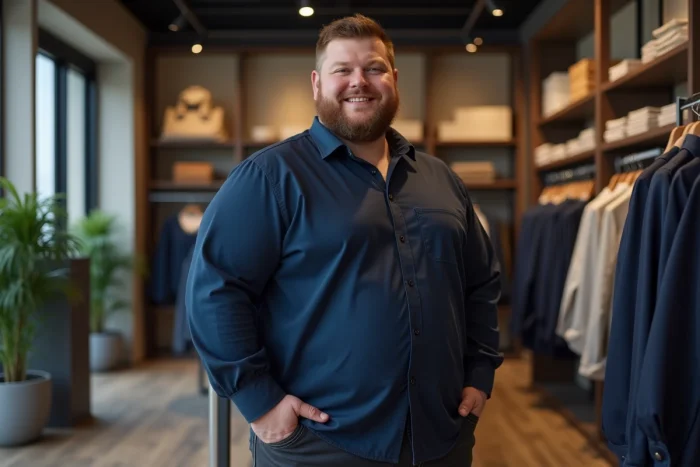
For someone with an athletic build (broad shoulders, developed chest, narrower waist), this ratio does not work. A standard 7XL offers sufficient chest measurement, but the excess fabric at the waist creates a ballooning effect. The garment floats where it should follow the silhouette.
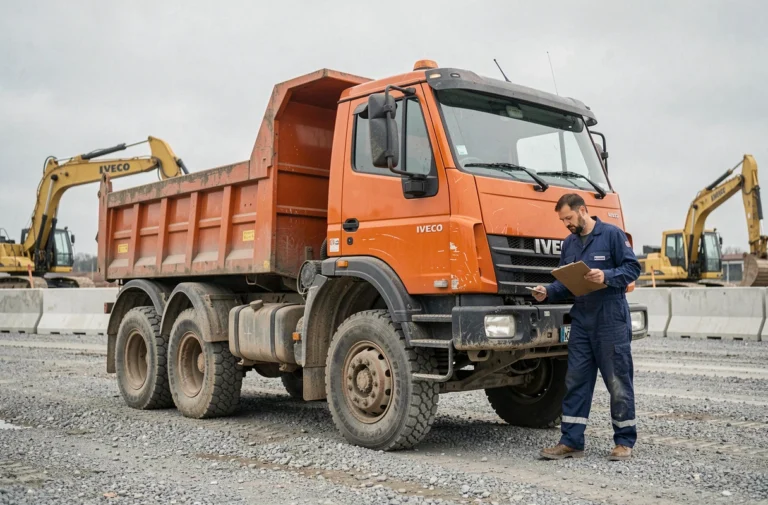
This discrepancy particularly affects professionals in the construction industry with a muscular build. According to the sector study “Inclusive Workwear” published by the French Building Federation (FFB) in February 2026, requests for custom adjustments in 7XL increased by 25% in 2025 in this sector. The inadequacy of standard ready-to-wear cuts explains this trend.
There are two avenues to circumvent the problem. To know precisely what this size corresponds to and compare systems, you can check what size 7XL corresponds to on Fashion Pulse before making any purchase.
- Look for brands that offer “tall” or “athletic fit” cuts in larger sizes, with a more pronounced shoulder/waist ratio than classic cuts
- Take separate measurements of the chest and waist, then compare the difference with the manufacturer’s chart rather than relying on a single measurement
- Prefer fabrics with a percentage of elastane that accommodates volume differences between the upper body and midsection
7XL correspondences between French brands and international standards
In France, size 7XL generally falls around size 68/70. At Kiabi, for a men’s t-shirt, the size chart stops at 7XL with a chest measurement between 148 and 152 cm and a waist measurement between 136 and 140 cm. JP1880, a specialist in larger sizes, offers cuts up to 8XL or even 10XL depending on the models.
The available data do not allow for a conclusion of uniformity between these charts. A 7XL from Kiabi and a 7XL from JP1880 do not cover exactly the same measurements. The difference can reach several centimeters in chest circumference or sleeve length.
Internationally, the disparity widens. The analysis “Global Sizing Inconsistencies 2026” by the International Textile Manufacturers Federation (ITMF) highlights that Asian 7XL sizes offer 5 to 7 cm less in chest measurement than their American or European counterparts. This difference is explained by distinct reference sizes and the relocation of some productions to Southeast Asia, where fitting models remain calibrated to local body types.
Measurements to compare before ordering online
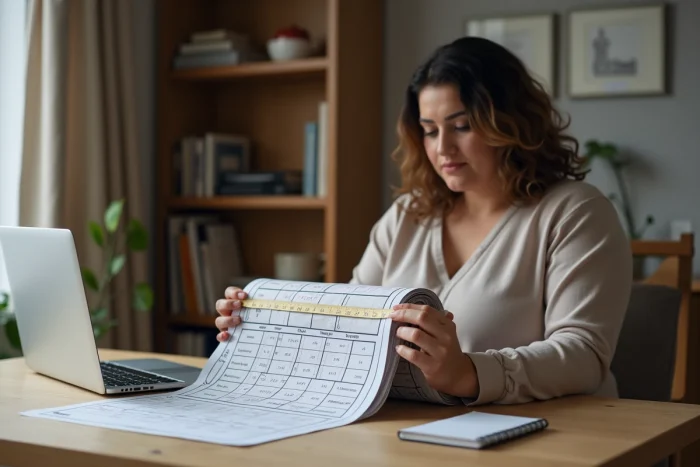
The useful reflex is to never rely solely on the “7XL” label. Two pieces of data are sufficient to avoid mistakes:
- The chest measurement taken under the armpits, arms alongside the body, at the widest point. This is the priority measurement for tops
- The waist measurement taken at the level of the navel, without sucking in the stomach. This measurement is mainly for pants and fitted jackets
- The sleeve length, from the base of the neck to the wrist, often missing from simplified charts but crucial for shirts and jackets
Comparing these three measurements to the manufacturer’s chart (not to a generic chart found online) remains the only reliable method. Each brand calibrates its patterns on a different reference size.
Cuts and fabrics suitable for larger sizes: what changes in 7XL
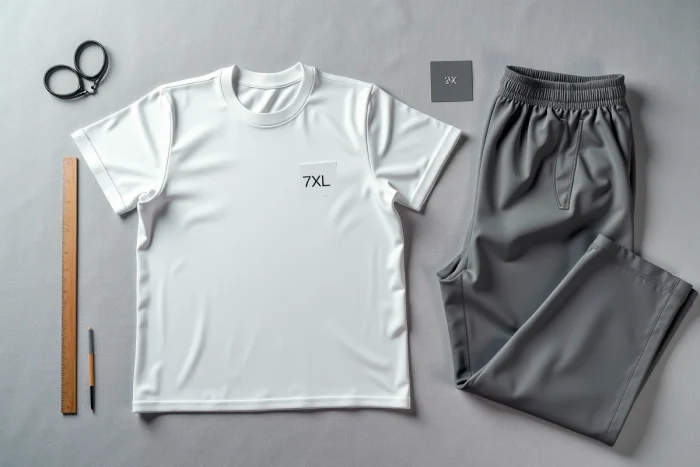
Beyond the numerical correspondence, the choice of fabric directly influences the comfort and drape of a 7XL garment. A 100% cotton jersey without elastane deforms more quickly on larger volumes. Field returns diverge on this point, but several specialized brands now incorporate a percentage of elastane even in their basics.
The construction of the garment also matters. Reinforced seams at the armholes and shoulders extend the lifespan of a garment subjected to more mechanical tension. Some brands position side seams slightly towards the back to avoid chafing, a detail rarely mentioned in product descriptions.
Workwear in 7XL: specific constraints
In the professional sector, clothing must combine appropriate sizing and safety standards. A 7XL work pant that is loose at the legs poses a snagging risk. A straight cut with waist adjustment via elastic or integrated tightening system is essential in this context.
The weight of the fabric plays a role: a sufficiently dense weight provides better protection but adds bulk to the garment. In larger sizes, this additional weight is felt more at the end of the day. The compromise between protection and lightness becomes a primary selection criterion for professionals.
Size 7XL and product returns: minimizing purchase errors
The return rate for very large sizes remains higher than the average for ready-to-wear, across all channels. The main reason is not a quality issue, but a mismatch between expectations and the actual cut of the product received.
Three factors amplify this discrepancy. The first is the lack of fitting rooms for online purchases, which represent a significant share of sales in larger sizes (physical offerings being limited). The second is the variation between brands already mentioned. The third is mental projection: many people choose their size based on what they previously wore, without taking their measurements again.
The most effective method to reduce errors is to measure your body once per season and directly compare it to the size guide of the relevant manufacturer. A measuring tape and two minutes are enough to avoid a return shipment.